



What is a Structural Warranty?
One-sentence answer:
A structural warranty is a 10-year insurance policy that protects buyers, homeowners, and lenders against major defects in the design, materials, or workmanship of a new home or conversion. Unlike professional certificates, you claim directly on the insurer for covered defects.
A structural warranty (sometimes called a building warranty or latent defects insurance) covers the cost of remedying major structural defects that arise after completion. Policies usually run for 10 years and are transferable to subsequent owners.
These defects typically involve:
- Foundations
- Load-bearing walls
- Roof structuref
- Waterproofing and weatherproofing
What Does It Cover?
Typically included:
- Defects in design, workmanship, or materials causing structural failure
- Foundations and load-bearing elements
- Waterproofing/water ingress to basements or envelope
- Professional fees, demolition, and rebuild costs (policy-dependent)
- Alternative accommodation during repairs (some policies)
Common exclusions:
- Wear and tear or poor maintenance
- Minor shrinkage or settlement cracks
- Damage caused by later alterations or misuse
- Non-structural finishes and fittings
Who Needs a Structural Warranty?
- Developers & small builders: reduce project risk and meet lender requirements
- Self-builders & homeowners: protect resale value and peace of mind, find out more about our self build warranty
- Buyers & conveyancers: assurance that major defects are covered
- Lenders: added security and smoother approvals
Structural Warranty vs Professional Consultants Certificate (PCC)
Structural Warranty: An insurance policy; you claim directly from the insurer for covered defects.
PCC (Architect’s Certificate): A professional opinion backed by the consultant’s indemnity insurance. To recover costs, you must prove negligence.
Key difference: A warranty = stronger protection and resale confidence.
Want To Know More About PCC’s?: If you think you may need a PCC or just want to find out more,then visti our PCC page
When Do You Need One?
- New builds (houses, flats, apartments)
- Barn or office-to-residential conversions
- Major refurbishments affecting structure
- Build-to-rent, affordable, and social housing projects
- Most lenders and buyers expect a warranty at exchange or completion. Applying before work starts makes approvals faster and costs lower.
How Much Does a Structural Warranty Cost?
Pricing varies with:
- Build type and complexity (e.g. basements, timber frame, high-rise)
- Sum insured or sale value
- Stage when you apply (pre-start vs mid-build)
- Contractor track record and QA systems
- Claims history and site-specific risks
- Rule of thumb: The earlier you apply, the cheaper and smoother the process.
How Do You Get One? (Step-by-Step)
- Request a quote with drawings, specifications, and build value
- Technical audit of design and risk by surveyor/engineer
- Site inspections at key stages (foundations, structure, watertight, completion)
- Snagging and sign-off before handover
- Policy issued and cover transferable to future owners
Special Cases
- Self-builds: policy in your name, transferable on resale
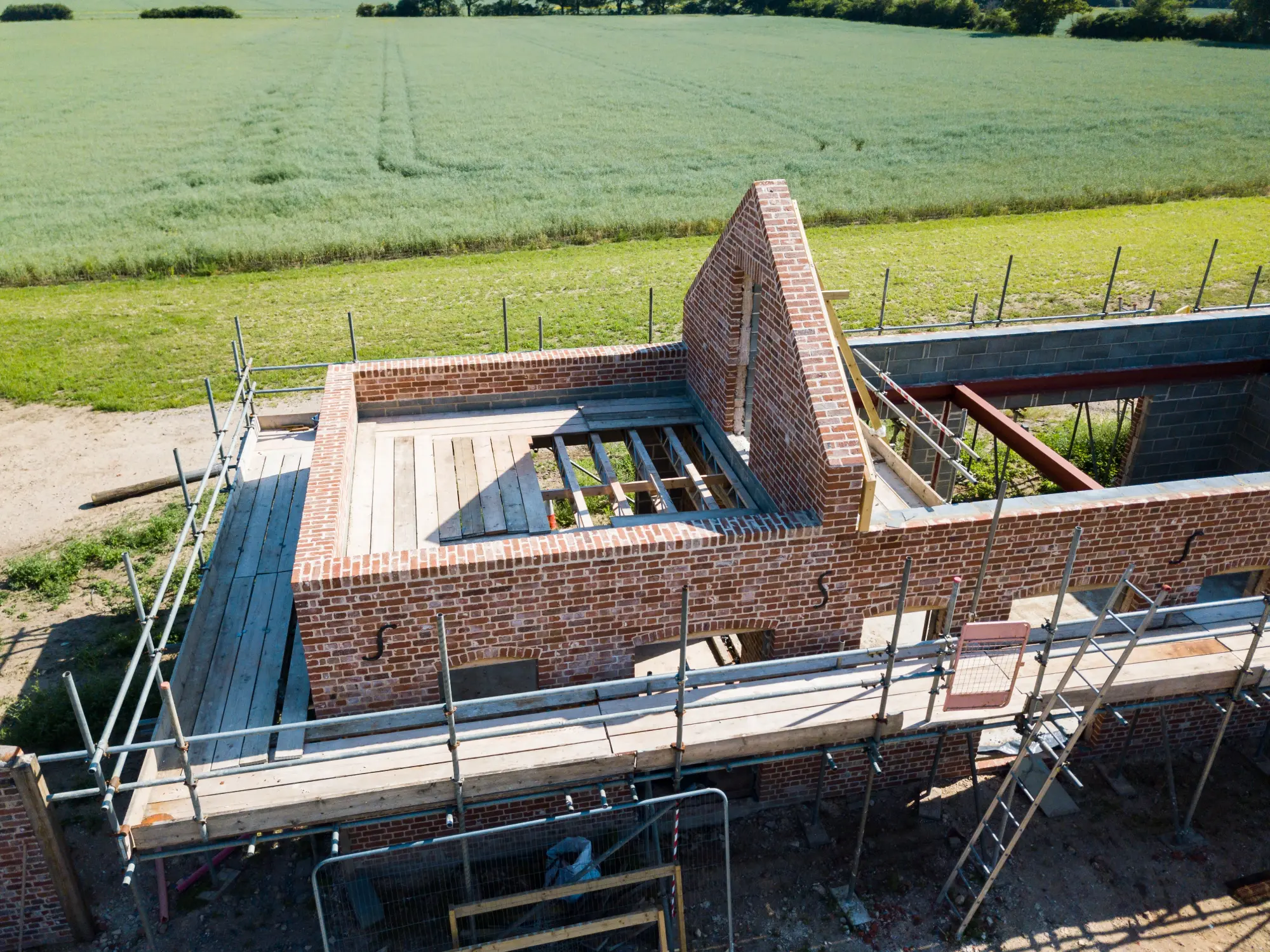
- Barn conversions: older fabric and waterproofing risks, closer scrutiny, find out more about our barn conversion warranty
- Apartments: cover includes common parts and shared structure
FAQs
Is a structural warranty the same as home insurance?
No. Home insurance covers unforeseen events like fire or flood. A structural warranty covers latent structural defects.
How long does a structural warranty last?
Most policies run for 10 years from completion, with different periods for structure vs water ingress.
Does it cover damp or leaks?
Yes, if the ingress is due to design or workmanship failures in covered elements.
Will lenders accept it?
Mainstream UK lenders usually accept warranties from regulated providers backed by reputable underwriters. Always confirm with your lender.
Common Mistakes to Avoid
- Applying late (costs more, fewer inspections)
- Assuming PCC = insurance (it isn’t)
- Ignoring envelope details like waterproofing
- Poor documentation at handover (keep drawings, test certs, warranties)
Quick Glossary
- Latent defect: hidden fault not apparent at completion
- Technical audit: design review against regulations and best practice
- Completion certificate: confirmation the build meets policy standards
Trafford Council’s Empty Homes Initiative: What Property Owners Need to Know
Across the UK, the demand for quality housing continues to grow. Yet thousa [...]
Upgrading Older Homes for Better Energy Performance
Discover how upgrading older homes can improve energy efficiency, reduce energy bills, and enhance comfort with practical solutions like insulation, heat pumps, and solar panels.
The Robots Are Coming… to Make Your Job Easier?
“Robots are taking our jobs!” is a phrase we’ve all heard in recent years. [...]
Risks of the Dual Role Inspection Model: Lessons from the Collapse of Assent BC
The recent insolvency of Assent Building Control Compliance Ltd (Assent BC) [...]