



Information and Guides
Everything you need in one palce
Whether you are looking for a simple “know how” guide or more specialised information, ABC Warranty is here to help. We have been providing Structural Warranty and PCC services for over 30 years and our staff is ready to help.

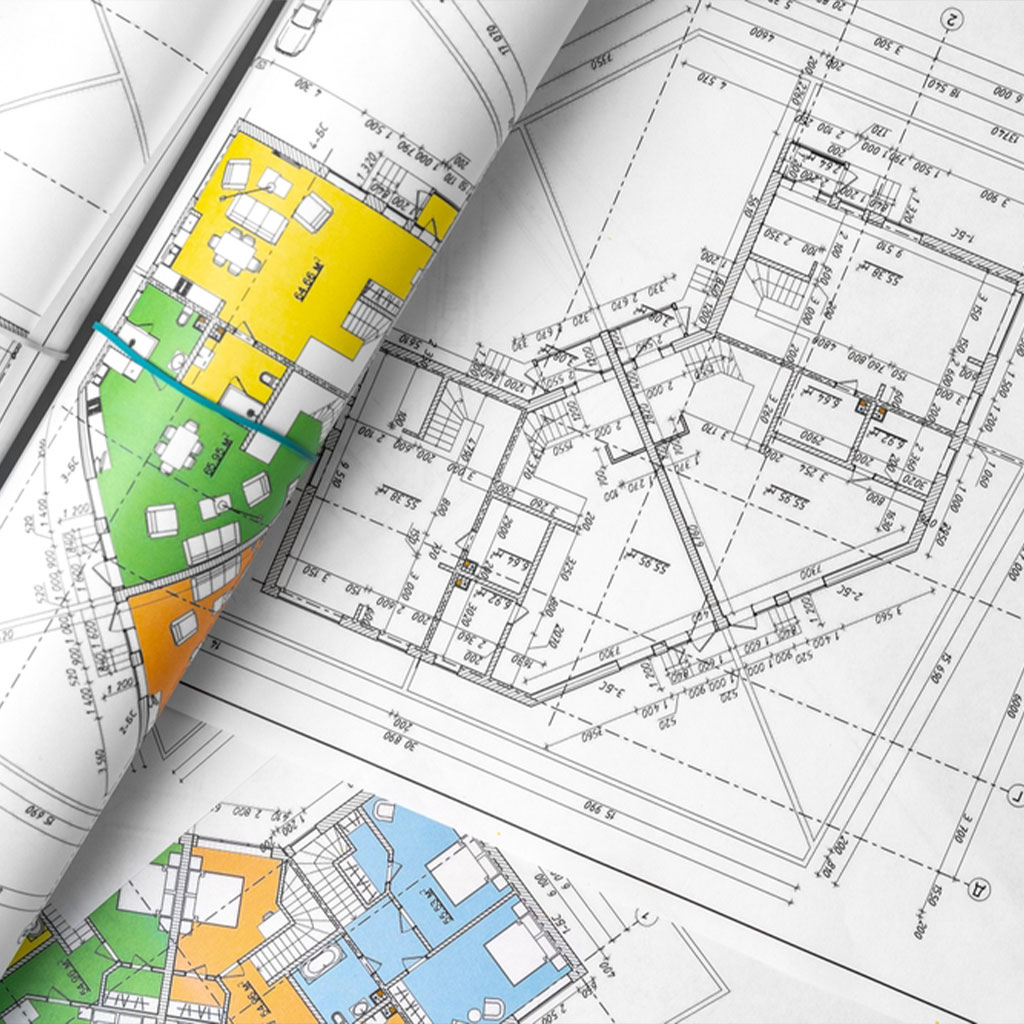















Bespoke Survey and Building Control Support for Your Construction Project
Survyes that matter the most
As one of the UK’s leading warranty providers, we understand how challenging and stressful a construction project can be, which is why we’re always on hand to help.
Thanks to our years of experience in the construction industry and our fantastic customer service, we’ve built up a portfolio of high-quality technical inspectors familiar with local authority building control regulations, who can help facilitate surveys and inspections for your development projects to make sure everything is running smoothly.
By choosing an ABC+ 10-year structural building warranty (also known as latent defects insurance), you’ll benefit from:
If you have already applied for building regulations approval from your local authority, we can arrange for a schedule of technical audits to be conducted during your residential development project, alongside the local authority’s building control inspector.
Other Services We Offer
All-In-One Insurance & Financial Services






Frequently Asked Questions
All you need to know to make the right decision
ABC+ Warranty is our warranty product, and it offers some of the best value for money on the market. We do not require membership fees or holding bonds, and we can issue our certifications within hours, not weeks, giving you comprehensive protection as soon as possible.
Our 6-Year CML Certificate, known as a UK Finance Professional Consultants Certificate, gives you the option to upgrade to a 10-Year Building Warranty – helping you to save money with a PCC until a lender requires you to have a Structural Warranty.
Through key inspections, our chartered surveyors perform their due diligence to ensure that latent structural defects won’t occur down the line on completed properties. However, even the best builders can’t always guarantee that nothing will happen, so it’s worth upgrading to a 10-year Structural Warranty.
Many approved lenders accept our PCC and 10-year Structural Warranty for a range of development types, so you can rest assured that your paperwork will be in order. Get an indicative QUICK QUOTE in minutes, or call 0161 928 8804 to discuss your building project.
When you apply through our website, you can either submit our quick quote form to receive an indicative quotation as quickly as possible or fill out our longer application form with more details. You can also apply for a quick PCC quote.
The more information you give us about your building project, the more accurate your prospective quote will be. As we don’t use brokers, the process of receiving a quote from us is faster than many other providers who rely on middlemen – and we can offer lower prices without those additional fees.
Of course, the process may take longer if we require more information about your building proposal, or should we need to visit your site to conduct an inspection. Whatever the case may be, we always offer a fair and honest quote, so you’re sure to get a competitive rate with a speedy turnaround.
According to Part 5 Section 144–145 of the Building Safety Act 2022, a new build home warranty is now required by law for any developer building new residences. This means that developers must provide an appropriate building warranty to the purchaser to legally sell the home.
This applies to anyone ‘undertaking or commissioning’ the ‘construction or conversion’ of a building to create one or more dwellings. If you’re carrying out a self-build or conversion project for your own use, you may not be obligated to take out a warranty unless you intend to sell it later on – but it’s still advisable to set up a building warranty from the outset for your own financial protection.
Mortgage providers will also be keeping abreast of the new law, so you can expect a 15-year building warranty to be a definite requirement for obtaining a mortgage for your new build or converted residence, regardless of which lender you go to.
If you have any questions about our structural building warranties, please call us on 0161 928 8804 to speak to our team, or email your query to info@architectscertificate.co.uk and we will reply as soon as possible with more information.
Sometimes known as Latent Defects Insurance, it is a construction insurance policy that protects you against structural defects in a new build, conversion, or renovated building.
This means that if your building develops problems due to poor workmanship or materials, the structural warranty will provide cover, ensuring you receive financial compensation to help cover the costs of structural damage and repairs.
The Structural Warranty usually lasts 10-12 years from the date on the Building Control Completion Certificate, whether it’s for social housing, mixed-use projects or commercial sites.
Under the Building Safety Act 2022, the liability period will be extended to 15 years for claims relating to faulty design or workmanship on new buildings that have rendered the property unsafe for human use or habitation as a result of latent defects.
Most mortgage lenders will not release funds without an approved Structural Warranty in place, to protect their investment as much as yours. This can delay property sales and purchases, so you should make sure a suitable Building Warranty is in place as early as possible.
Structural defects can become apparent at any time in the years after construction finishes. It’s best to have at least 10 years of precautionary cover to help you with the expense of fixing such issues.
Even if the buyer of a new build pays in cash, it’s still advisable to get a warranty in place.
This is because if they ever come to sell the property, the new buyer may be reliant on a mortgage to fund the purchase, and if there’s no structural warranty in place, it could cause delays or result in the purchase falling through.
Having a structural warranty provides reassurance to lenders that the property is financially covered for any defects and reduces the risk of them losing money if problems are discovered.
These building warranties are usually taken out by the builders or developers to cover the new owners.
Whilst all might seem well immediately following the completion of your building work, structural defects can be made evident at any time in the years after the construction work finishes. It’s therefore best to have at least 10 years of structural warranty cover to assist with the expense of fixing any issues.
Whilst there is no requirement by law to obtain a structural warranty, the majority of mortgage lenders won’t sign off on a mortgage without one.
This will cause a delay in the sale of the property. Additionally, not having a structural warranty in place can make it difficult for you to sell a house that’s under 10 years old.
A Structural Warranty covers defects in the building and design of a construction project, as well as any defects uncovered in the materials used in the build.
An insurance provider will usually carry out scheduled checks of the build at different stages to inspect for any defects.
While the stages when these technical audits are carried out can differ, they’re usually done during the laying of the foundations, the building of the main structure, the pre-felt and batten of the roof, the pre-plaster of any interior walls, and, finally, once the project is complete.
Inspectors will be looking for any signs of degradation (such as cracks in the walls or structural issues with the foundation) to ensure the structure will be safe.
Here’s what a structural warranty covers:
- Costs to fully or partially rebuild a building as a result of structural defects, and the costs to fix any defects within a property that are attributed to defects in the design and build of a property, or any defects discovered in the materials used for the project
- Costs to rectify damage caused by water as a result of problems with the design, build or materials used in a project
- Costs associated with fixing issues caused as a result of the drainage system built as part of the construction project
- Defects insurance for a period of up to 24 months after practical completion
- Structural insurance after 24 months have elapsed from practical completion
- Alternative accommodation costs
- Fees
- Removal of debris
A structural warranty can also cover (depending on the individual provider and policy):
- Deposit protection in the event the developer goes bankrupt
- The cost of removing contaminated land from the development plot
- Cover in case the property (or parts of it) were not built in proper compliance with building regulations
Depending on the provider and level of cover provided, most will provide higher levels of cover during the first few years of the warranty.
This is because, during the first two years, the developer or builder is responsible for fixing any defects. After this, the financial cover will still be available, but the buyer will be responsible for sourcing the work.
It may also be required that you have the property inspected by an insurer regularly to retain the warranty during the life cycle.
Getting a Structural Warranty for your project will cover you against a number of issues that could arise in the future, such as:
- Costs to fully or partially rebuild a building as a result of structural defects, and the costs to fix any defects within a property that are attributed to defects in the design and build of a property, or any defects discovered in the materials used for the projects
- Costs to rectify damage caused by water as a result of problems with the design, build or materials used in a project
- Costs associated with fixing issues caused as a result of the drainage system built as part of the construction project
- Insolvency of the developer (if requested at the quotation stage)
- Defects insurance for a period of up to 24 months after practical completion
- Structural insurance after 24 month have elapsed from practical completion
- Contaminated land cover
- Alternative accommodation costs
- Fees
- Removal of debris
If you would like to find out more information about what structural warranty includes read our guide here.
As well as this it can also be used to cover the following (depending on the individual provider and policy):
- Deposit protection in the event the developer goes bankrupt
- The cost of removing contaminated land from the development plot
- Cover in case the property (or parts of it) were not built in proper compliance with buildings regulations
A Structural Warranty will protect you from risks caused by defective work or materials, but there could be building issues that arise after a project is completed that won’t be covered by a warranty.
These include:
- Alterations/change in colour/consequential loss
- Defects in existing work/humidity/Japanese knotweed
- Maintenance and use/personal injury/prior knowledge of defects
- Radioactive contamination, chemical, biological, biochemical and electromagnetic weapons
- Settlement/sonic bangs/special perils/subsidence
- Toxic mould/vermin/war and terrorism risks
- Water table/wear and tear/wilful acts
Any latent defects found in the first two years after construction is completed are also not covered.
This is known as the Developer Liability Period.
During the first two years of your coverage, it is the responsibility of the developer/contractor to rectify defective workmanship.
Ideally, you should have a Structural Warranty in place before any building work takes place. This ensures that the project has been supervised through every stage of development and will cover you comprehensively.
However, it is possible to get a Structural Warranty once the building work has started, but this will be more expensive.
If you don’t have a Structural Warranty in place, we’d recommend you get one as soon as possible.
If your property is for residential use, it can make it nearly impossible to sell or secure a mortgage against a building without a Structural Warranty.
This is because many banks require one to assess the integrity of the building before they release any funds, at least for buildings under 10 years old.
No.
Under UK planning and building laws, there is no requirement to get a Structural Warranty.
But, having said that, the majority of lenders will expect you to have one before they’ll sign off on a mortgage.
It can also make it extremely difficult to sell a house that’s under 10 years old without a Structural Warranty.
This is typically the case regardless of whether you’re building property for commercial or residential purposes.
If you’re building commercial property on finance, lenders will usually require you to have a Structural Warranty in place before the start of the project.
The cost of a Structural Warranty will differ depending on a few factors, like:
- The type of build
- The individual provider
- The stage of development you get a warranty
- The experience of the main contractor/developer
One thing that will immediately make your warranty more expensive is delaying until after the project has started, because inspectors will want to have oversight of the project from the concept stage.
If they’ve not signed off on the drawings or materials, they won’t have the same level of confidence.
ABC+ Building Warranty offers to beat any other genuine quotation that you may have received from another provider, such as NHBC, Premier, LABC, Protek, Advantage Warranty, BLP, One Guarantee or the LABC.
Your Building Warranty is an important piece of insurance when undertaking any type of construction and building project, so you need to get it from a trusted source.
At ABC+ Warranty, we’ve worked on tens of thousands of residential and commercial property projects throughout the UK. As a structural warranty provider, we’re amongst the most cost-effective on the market.
Unlike other providers, we don’t require membership fees or holding bonds and our certification can be issued within minutes.
Get our indicative QUICK QUOTE in minutes orcontact us to discuss your building project by calling 0161 928 8804.
As Structural Warranties are specific to the structure they were originally taken out for, the policy cannot be transferred to another property if you move house. However, a Structural Warranty can be transferred between owners – so, if the property changes hands, the new buyer takes it over.
In many cases, developers are the first to set up the Structural Warranty, which transfers to you when you buy the home. The standard warranty period is currently 10 years, increasing to 15 years under the Building Safety Act 2022 – so the warranty will stay with the structure for this long from the completion certificate date.
This means that if you move out and sell the property during this time, you can sign the warranty over to the buyer along with it. Homebuyers are more likely to find your house promising with a transferrable Structural Warranty, because they probably require one to get a good mortgage, like you might have when you first bought the home.
However, if you don’t sell the property within the warranty term, the policy will expire.
Banks are unlikely to offer you a mortgage loan if your property presents an unprotected financial risk. After all, if you wouldn’t want to put your money into an uninsured development, why would they?
Even if you find a lender willing to provide a mortgage without a Structural Warranty, they will probably offer you a smaller loan, meaning you’ll have to cover the rest of the property’s value yourself. It’s better to secure a 10-year Building Warranty early on and update it later if required.
Most lenders expect homebuyers to already have a Structural Warranty set up before applying for a mortgage, as the appropriate certifications and site inspections need to be confirmed before they release any funds. They’re likely to take this approach, whether you opt for stage payments or a lump sum and are less likely to accept your application without a warranty at least being in progress.
You’ll also find it much easier to sell the property with a warranty if you intend to do so within 10 years of its completion. The Structural Warranty stays with the building and transfers to the new owners, making the property more attractive to potential buyers. Just like you and the mortgage lender want to avoid financial loss and devaluation, new buyers will also prefer to protect themselves.
Always check that everything you want your Structural Warranty to cover is specified in the contract terms before you agree to it, as it may be difficult to change it later if your mortgage provider has an issue with the policy that prevents your application from being successful. Bear in mind that even with a successful mortgage and Structural Warranty, further construction work on the property can invalidate the initial warranty, and may also mean re-mortgaging it.
The trade body UK Finance, previously the Council of Mortgage Lenders (CML), has a lenders’ handbook that lays out requirements for transactions like mortgage loans. This includes a list of regulated mortgage lenders in the UK, approved by UK Finance for compliance with their rules.
Our policies are also compliant with CML/UK Finance, so our Structural Warranties are accepted by many of these approved lenders. If you include your ABC+ Structural Warranty in your mortgage application file, it could improve your chances of securing a better deal with one of more than forty lenders on our own approved lenders list. This includes most of the high street banks in the UK.
If you intend to apply for a mortgage with a lender that isn’t on our list,get in touch with us first to discuss this. We can contact the lender ourselves to request approval and add them to our list.
A Structural Warranty is not the same thing as home insurance, so you do need to have both policies in place. The 10-year Building Warranty only covers structural issues stemming from defective workmanship and materials. This also covers design and land inspection failures.
However, it doesn’t cover ordinary wear and tear, or damage from weather or lack of maintenance. Most mortgage lenders will require a building insurance policy as well, which covers the integrity of the building beyond just structural defects. Banks want to protect their investment as much as you do.
Homeowners should also get a contents insurance policy, a separate type of home insurance which covers the contents of the structure. This means that your belongings are covered in case of fires, floods, accidental damage, or theft, even though this type is not required to secure a mortgage.
Generally, a structural warranty applies to the specific property as it was when the contract began. This covers the property for up to 10 years from completion, so you can claim repair expenses if anything goes wrong that can be traced back to the original construction.
If you make any changes to the structure during this decade, it could invalidate the policy.
This means that work such as structural renovations or constructing an extension on your existing building is outside the scope of the existing warranty, so that part of the building and any areas attached to it will not be covered by your current policy. If the property is already over 10 years old and the warranty has expired, then this shouldn’t be a problem. If you start knocking through walls or converting lofts or garages with a few years left, it may be worth getting a new one.
Along with getting site surveys and planning permissions from local authorities, you must contact your structural warranty provider to discuss your options. If that’s us, then get in touch as soon as possible to find out whether we can amend or upgrade your policy to cover the extension for the remainder of your building warranty, or arrange a new one.
Don’t forget that altering the structure of your home will also impact any other ongoing insurance policies you have on the building. Since most homeowners have two types of home insurance (contents insurance and building insurance), you’ll probably need to update or change your policies to reflect the new elements of the property. This is likely to increase your premiums, too.
Yes, it can cover these types of construction and building projects. However, a Structural Warranty is typically used on new builds, so if you’re renovating or extending an existing residential property, you may not need a warranty.
If you’re carrying out a major renovation project, or converting a commercial building into a residential one (like converting an office block into apartments), we’d advise you to take out a Structural Warranty.
For these conversion projects, a mortgage lender may insist that you have a Structural Warranty in place for commercial to residential conversions.
At the end of the construction project, the inspector will carry out a final inspection before signing off on the warranty.
If everything is completed to the required standard, you’ll get a completion certificate, and a copy of this will be sent to the warranty provider with the valuer’s report.
Once the warranty provider has carried out their final checks and is happy, you’ll get your final certificate, which will start your 10-year Structural Warranty guarantee.
Yes, in some cases, it may be possible to apply for a Structural Warranty after the building is finished. Also referred to as a Completed House Warranty, the premiums are often higher because we can only carry out one post-completion survey. When you set up a warranty earlier, this allows surveyors to inspect the build throughout the process, which minimises the risk of mistakes going unnoticed.
If your retrospective Structural Warranty application is accepted, the cover term will still begin from the date on the completion certificate, not the date of acceptance (unless these are the same day). This is because lenders will only accept Structural Warranties with the original terms and conditions, so we aren’t able to amend the contents of the policy or tailor it to your property’s circumstances.
This means that your property must meet all the standards set by our chartered surveyors and pass the inspection satisfactorily to comply with the unabridged Structural Warranty terms. To keep the wording as prescribed by UK Finance, and allow you to use the warranty in a mortgage application, the contract stays the same, as though you signed it at the start of construction.
We understand it’s not always possible to apply for a warranty before completion, but you should always aim to get a Structural Warranty as soon as you can. The earlier, the better, as you’ll get the best rates if we can oversee the build from the very start (usually involving around six inspections).
The longer you wait, the greater the risk, as some defects won’t be detectable if the progressing construction has made those areas inaccessible. A post-completion Structural Warranty will also come at a higher cost the later you leave it, and is likely to hinder loans and mortgage applications.
A CML Certificate, which is a Professional Consultants Certificate (PCC) accepted by the Council of Mortgage Lenders (CML), is a cheaper option than a Structural Warranty. However, they aren’t the same thing, so you can’t substitute one for the other. A PCC is more of a temporary first step.
The PCC only states that your property complies with Building Regulations upon completion. It holds the builders liable for structural issues for six years from the date on the certificate. The difference is that it’s your responsibility to take them to court and prove that they were professionally negligent.
As you’re probably aware, such legal proceedings can be time-consuming and expensive. If the builder goes out of business before you can take them to court, or you don’t win the case, you’ll have to cover the costs yourself. A Structural Warranty offers more reliable financial protection.
A PCC is a certificate of compliance which provides professional indemnity insurance for six years. This is a confirmation that the construction meets all the necessary standards. The consultant who issues the PCC will be held liable if found to have been negligent.
However, the PCC does not guarantee financial compensation in the event of a structural defect. If you want the security of being able to make a direct insurance claim, you’ll need a 10-year Structural Warranty. You can have both at once since they do different things.
Many smaller builders and developers opt for the PCC because it’s cheaper, but if you’re applying at the point of completion, it will be more expensive. It’s a personal choice whether to invest in more protection with a Structural Warranty, as they aren’t compulsory – even if banks require them.
A PPC only certifies that your property adheres to Building Regulations and has been completed to the legal standard. It’s a cheaper option because it only lasts for six years and provides less coverage than a Structural Warranty, which lasts for 10 years as standard.
Not only does it cover your property for longer than a PCC, but a Structural Warranty also holds the builder immediately responsible for defects in the first two years, and then you can submit claims directly to the policy provider for the remaining eight years. With a PCC, you’d have to go to court to prove their liability.
It’s possible to have both policies at once or to get a PCC initially and then upgrade to a Structural Warranty later, but premiums will be higher the longer you wait.
A Collateral Warranty isn’t the same as a Structural Warranty because the former is a sub-contract, whereas the latter is a contract itself. Collateral Warranties can last up to 12 years rather than 10 years, and require the other parties to have professional indemnity insurance for this duration.
The Collateral Warranty will extend the responsibilities of an original contract to cover another party or several other parties involved in the construction. This secondary contract might limit the number and type of claims you can make, and you’ll need to prove their negligence for any claim.
On the other hand, a Structural Building Warranty doesn’t require maintaining professional indemnity insurance or proving negligence or liability to succeed in a claim. These contracts shouldn’t have any limits on Structural Warranty claims, other than the relevant expiry dates.
The main difference is the time each one lasts. While an architect’s cover lasts for six years, a full Structural Warranty will cover you for 10, sometimes 12 years.
Plus, if you discover a defect while using an architect’s sign-off certificate, it means you’ll have to sue the architect and claim against their professional indemnity.
If you have a Structural Warranty, you’ll have an insurance policy which you’ll be able to claim against in the event of a defect.
Also, a Structural Warranty is issued by an independent surveyor who assesses that the work meets the higher industry standards you need to satisfy the warranty provider. An architect’s certificate is a sign-off that the work has met a minimum standard.
The main reason that you should invest in a 10-year structural warranty is so that you will be able to sell your property once the building work is completed. Whether you’re a homeowner or a developer, having this insurance in place is the best way to ensure that your investment is protected. Here, we explain how each of our types of clients would benefit from investing in a 10-year structural warranty.
Builders
From renovations and conversions to new projects, ABC+ 10-year structural warranties are designed to protect against all potential risks.
Housing Associations
ABC+ have many years of experience working on large-scale housing association projects, making us your first choice for industry expertise and professionalism.
Developers
A 10-year structural warranty will help you to build your development efficiently and securely, whilst also developing consumer confidence in your company.
Self-Builders & Homeowners
Our personal service and industry expertise make us the ideal choice for structural warranties for self-builders and homeowners.
You can get building warranties that cover various lengths of time, but we recommend a 10 year structural warranty, as this will give you peace of mind that the cost of any defects will be covered for years to come.
Getting a 10-year structural warranty for your building project will ensure that you’re covered against a number of problems that could occur in the future. These include:
- The cost of fully or partially rebuilding as a result of structural defects. This includes the costs of fixing any defects within a property that arise as a result of defects in the design and building of a property. It also includes any defective materials used for the building work.
- The cost of rectifying damages caused by water egress as a result of problems with the design, building or materials that were used in a project.
- Any costs associated with fixing issues that are caused as a result of the drainage system being built as part of the construction project.
- Insolvency of the developer (only if this is requested at the quotation stage).
- Defects insurance covering 24 months following practical completion.
- Structural insurance after 24 months have passed following practical completion.
- The cost of alternative accommodation whilst repairs are conducted.
- Contaminated land cover.
- Fees.
- Removal of building debris.
Once a structural warranty has expired, the cover under that policy ends. Any defects discovered after the warranty period would not usually be covered and may need to be addressed privately. If you are unsure when your warranty expires or what period applies to your project, please contact us so we can check your documentation and advise you.
A structural warranty is designed to protect against structural defects caused by issues with design, materials or workmanship. Whether subsidence or movement is covered depends on the terms of the specific policy and the cause of the issue. To confirm whether your ABC+ warranty would respond to a particular type of structural movement, please get in touch and our team can guide you through what your policy includes.
Structural defects are typically issues that affect the stability, load-bearing capacity or structural integrity of the property. Each warranty provider defines this in their own wording. To understand exactly how structural defects are defined under the ABC+ warranty, please refer to your policy documents or contact us and we can explain the definitions that apply to your project.
A valid structural warranty can make a property easier to sell, as buyers and lenders often prefer or require a recognised warranty for newer homes. While we cannot guarantee an increase in resale value, a structural warranty can improve buyer confidence and help streamline the conveyancing process
Structural warranty providers normally require stage inspections throughout the build. This allows the surveyor to review construction quality and ensure the works meet the required standards. The exact inspections needed will depend on your project’s type and stage. If you would like to understand what inspections apply to your build, please provide your project details and we will guide you through the process.
Yes. Most mortgage lenders and development funders require an approved structural warranty before they will release funds on a newly built or converted property. The ABC+ warranty is accepted by major lenders. If you would like to check whether your lender recognises the ABC+ warranty, please contact us for confirmation.
Self-builders, renovators and those completing conversions often obtain a structural warranty to protect against latent defects and to satisfy lender requirements. While it may not always be legally compulsory, it is recommended to help with future resale, remortgaging or financing.
Structural warranties can cover defects that arise from issues in design, materials or workmanship, depending on the policy terms. Whether specific design or engineering errors are included will depend on the wording of the individual warranty. For clarity on how this applies to our structural warranty, please contact us and we can walk you through what is and isn’t included.
The documents required can vary depending on whether the project is pre-construction, mid-build or completed. Typically, details such as drawings, specifications and structural information are needed. For a full list relevant to your project, please get in touch and we’ll confirm exactly what documentation is required for your warranty quotation and application.
Modern methods of construction including modular builds, timber-frame structures and eco-friendly homes can be eligible for a structural warranty, depending on the provider’s criteria and the build system used. If you’re planning a non-traditional construction method, please contact us with your project details so we can confirm whether it can be covered under the ABC+ warranty.
ABC+ is our unique, trademarked system that enables the linking of the services of our insurer to the professional surveying services of Architects Certificate. We are a team of Specialised Building Surveyors providing structural certification for new-build or converted older properties. Since 1989 our structural certification has been accepted by banks and building societies. You can either start with our PCC service and upgrade at any time to our ABC+ 10 or 12 year Warranty if later required. Alternatively, you can commence immediately with our ABC+ 10 or 12 year Warranty if preferred.
As the Appointed Representative of Ten Insurance Services Ltd we can sell any type of building insurance or warranty. Primarily we can provide the ABC+ service, which is a ten year Structural Warranty. We can also provide: Road & Sewer Bonds known as a section 278 and section 38, Insurance Backed Guarantees, Contractor & Sub-contractor Bonds, Water Utility Bonds also known as a section 104.
Primarily, we do everything diligently and up front to make sure that you don’t have any major structural problems in the first place. Providing a PCC is more about prevention than cure. We don’t personally resolve any problems after the completion and issuing of the consultant’s certificate however, we do provide you with an independent dispute resolution solution free of charge. The Professional Consultants Certificate* will certainly fulfil all of your financial and funding requirements, but it is NOT an insurance backed, latent defects insurance like our ABC+ 10 year Structural Warranty is.