



Warranty & Insurance for New Builds
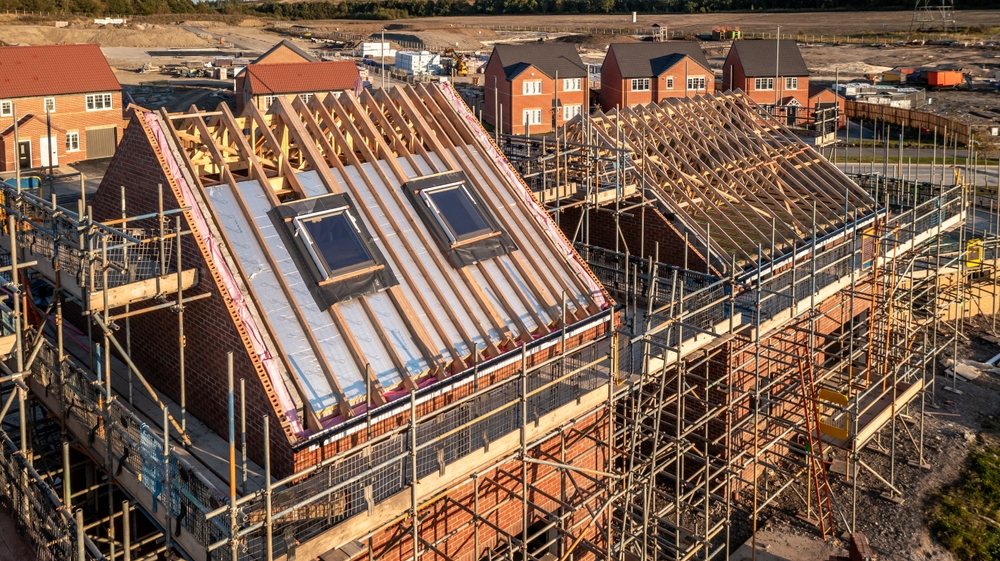
Whether you’re constructing a home from the ground up or developing multiple units, a new build warranty is essential for protecting your investment. These warranties cover structural defects that may not be visible right away and are a key requirement for most mortgage lenders. Alongside this, new build warranty:
At ABC+ Warranty, our insurance is backed by over 30 years of industry expertise, and secured by AXA Insurance and CGICE for added peace of mind. Get a quick quote today, or get in touch with our team to discuss your needs.










Why Choose ABC+ Warranty for New Build Warranty?
All our warranty and insurance solutions are delivered by industry experts, including qualified surveyors and technical specialists based in the UK. Every package is backed by AXA Insurance and CGICE, ensuring reliability and industry compliance.
We boast no hidden costs, a speedy completion process and agility to suit your project’s exact needs. Our policies are finalised in hours, not weeks.
We’re trusted by developers all over the UK in delivering a range of warranty and insurance policies, including structural warranty, latent defects, PCC and more. Unlike other warranty providers, we prioritise smaller developers and self-builders. For example:
- No upfront payment is required – with lower prices than other providers
- We always act on behalf of the developer or buyer, not the contractor
- We’ll step in even if on-site works have begun
- We use fully-qualified chartered surveyors
Get a quick quote here, or speak to our team of experts today to discuss your needs. Give us a call on 0161 928 8804, message us on WhatsApp, or email us on abc@architectscertificate.co.uk.
How Does Our New Build Warranty Work?
A new-build home’s 10-year warranty cover is split into two parts. The first two years of the warranty are known as the developer liability period, which holds the builder to account should there be any issues with the work completed. If any problems or major defects are discovered during this time, such as faulty pipes or windows, the builder is obligated to come and fix them, free of charge, giving you peace of mind.


The remaining eight years of the warranty make up the insurance period. For the remainder of the new build warranty, the builder will have fewer liabilities because any smaller issues are often due to general wear and tear rather than a fundamental structural problem.
Warranty for Brand New & Second Hand Properties
When you buy a pre-owned property, depending on its age, the home likely had a Structural Warranty when it was first completed. If you buy a house second-hand within 10 years of it being built, you’re also likely to have the original building warranty passed onto you as the new owner.
As construction laws and building regulations continue to change over time to improve health and safety, it has become commonplace for builders, developers, and property sellers to include a home warranty cover with every new building they complete.
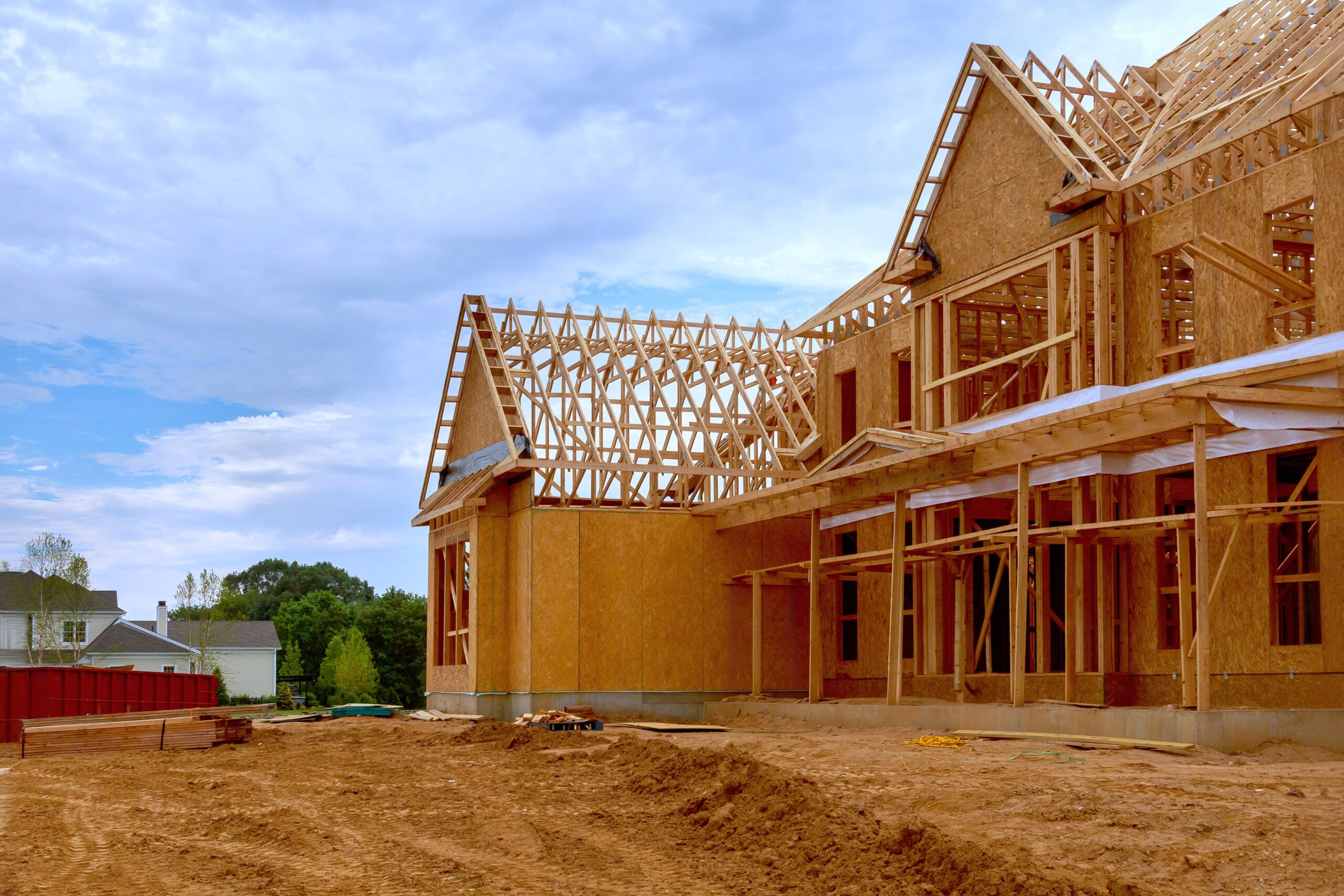
The provider of a new build structural warranty, such as ourselves, will send a highly qualified chartered surveyor to assess the structure at key points during the building process. Doing things this way minimises the risk of problems being overlooked and leading to the development of latent structural defects that could have been avoided earlier. Without a structural warranty, securing a mortgage or selling the property is made much more difficult.
New builds are often chosen as a first home by young families. One of the easiest ways to protect this investment is with a building warranty. This makes it difficult for builders to cut corners in construction and gives you a route of action if developers give you the run-around over a problem that they’re responsible for.







How long is the warranty on a new build?

A standard new build warranty is a 10-year building insurance policy covering the finished property for 10 years from the date on the completion certificate.
The structural warranty stays with the property for ten years from its official completion date, so if anyone buys the home during that time, the policy will be passed on to them.
It does not reset or renew from that point.
However, if you buy an off-plan new build home, the builder or developer should already have set up a structural warranty for you as the buyer.
In addition to the ten years of cover from completion, the policy should also protect your deposit in case contractors go bust before finishing the build.
Our detailed surveys could also help you with making a ‘snag list’ of faults that need fixing before you move in, so everything is ready for you to settle right in.
FAQ
From a legal standpoint, there is nothing that requires the developer of a new build home to provide a new build warranty for a property. However, most mortgage lenders won’t provide finance on a new build without adequate cover.
This minimises the risk of losses by ensuring that financial protection is available to cover the costs of repairing any structural defects found in the property once the buyer has moved in.
For the most part, new build warranties are provided to reduce the risk of losing out on potential buyers who need a mortgage.
New build warranties are issued to protect buyers from the costs of fixing structural defects caused by faulty materials or poor workmanship during construction.
They don’t cover damage from general wear and tear or damage caused by weather and natural events. They specifically cover structural defects caused during the building process.
You might be able to get cover under the new build warranty for damage caused by dampness or condensation building up in the home, but typically this will only be if it’s probably due to the developer failing to comply with building standards.
A new build warranty also won’t cover any damage that occurs as a result of the buyer failing to properly maintain or look after the building.
Not necessarily, but it is highly likely. Most lenders expect a newly built property to have a structural warranty in place when a buyer applies for a mortgage. They’re investing in the property upfront and want to protect their funds against potential losses and devaluation.
On the off-chance that a lender agrees to provide a mortgage loan when you don’t have a new build warranty, they will probably lend a smaller percentage of the property value, and the monthly repayments are likely to be higher.
Always check what the mortgage provider’s definition of new build is before you apply, as they may have some exclusions.
A structural warranty applies to the specific property only, not the owner or policyholder. Your new build warranty will last for 10 years from the date on the property’s completion certificate, so if you were to sell the home and move out before that, the policy would transfer to the new buyer/owner.
Having this financial protection can make your property more attractive to potential buyers, but this might not be a concern if you don’t plan to sell within the next decade.
The policy term also doesn’t renew when it transfers to a different person, so they can’t expect it to last for another 10 years.
Bear in mind that if you carry out renovations that affect the property’s structure, this can invalidate your original warranty. You may have to contact us to reassess the property and discuss whether we can extend or upgrade your policy to cover the new work for the remainder of the term.
Yes – structural warranties and home insurance policies are not the same. Since they each cover different things, you’ll need both a structural warranty and home insurance for an adequate level of protection. You shouldn’t choose one or the other – many lenders expect you to have both.
Your new build warranty will cover the main structure itself against latent defects caused by poor design, workmanship, or materials. It won’t cover the building or its contents against damage or loss resulting from bad weather, theft, or fire, for example, which is where home insurance comes in.
Home insurance, specifically building insurance, will cover your property against types of damage other than latent structural defects. Another type, contents insurance, is usually taken out after you’ve moved your belongings in. They won’t cover structural issues, so you need a warranty, too.